What Adds The Most Value To A Home Renovation?
Thinking about renovating your home in Melbourne’s Bayside or Mornington Peninsula? You’re probably asking the same question most homeowners ask before they start: what will actually add value?
Whether you’re renovating to sell, to improve your lifestyle, or both, not all upgrades deliver the same return. Some changes transform how a home feels and functions. Others are expensive and barely move the needle.
Here’s what we consistently see adding strong value across the homes we work on.
Kitchen Renovations
The kitchen is the most scrutinized room in any home sale and one of the highest-impact spaces to renovate. A dated kitchen can hold a property back even when everything else is well-presented.
The upgrades that tend to deliver the most value:
- Opening up the kitchen to living and dining areas (open-plan layout)
- Quality cabinetry with durable, low-maintenance finishes
- Stone benchtops: a visible signal of quality
- Good appliance allowances, particularly oven and rangehood
- Adequate storage and a functional layout
A kitchen renovation doesn’t have to be a full gut-and-rebuild. Targeted improvements: new cabinetry, updated benchtops, better lighting: can dramatically shift how the space reads.
Bathroom Upgrades
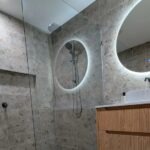
Bathrooms are where buyers and inspectors look closely. A tired bathroom with outdated tiles, poor lighting, or a worn vanity signals deferred maintenance, even when the rest of the house is in good shape.
What makes the biggest difference in a bathroom renovation:
- Clean lines and a coherent design: avoid mixing too many styles
- Good lighting, particularly task lighting at the vanity
- Quality fixtures: tapware, showerheads, and towel rails all read quality when done well
- Proper waterproofing and ventilation: these matter for longevity, not just looks
- Floating vanities and frameless shower screens tend to read as contemporary
Even a well-executed cosmetic refresh: retiling, new vanity, updated fixtures: can significantly lift how a bathroom presents.
Open-Plan Living Areas
Opening up the connection between kitchen, dining, and living areas is one of the most impactful changes you can make to an older home. Many homes built before the 1990s were designed with separate, compartmentalised rooms: layouts that feel cramped and dark by today’s standards.
Removing non-structural walls, raising ceiling heights, and improving the flow between indoor and outdoor spaces can fundamentally change how liveable a home feels.
This kind of work typically requires a building permit and careful structural assessment. The return on a well-executed open-plan renovation is consistently strong.
Outdoor Living Areas
Melbourne’s climate makes outdoor entertaining a year-round consideration. A well-designed alfresco area: pergola, deck, or covered outdoor room: extends the liveable footprint of a home in a way that buyers respond to strongly.
What tends to add the most value outdoors:
- A covered alfresco or pergola connected to the main living area
- Decking or paving in durable, low-maintenance materials
- Integrated lighting and ceiling fans for year-round use
- Landscaping that frames the outdoor space without dominating it
The connection between the indoor and outdoor spaces matters as much as the outdoor area itself. A well-designed transition: the right door, the right level change, the right sight lines: makes a significant difference.
Well-Designed Extensions
A thoughtful extension (rear, side, or second storey) can completely transform the functionality of a home. For families who’ve outgrown their current layout but want to stay in their neighbourhood, an extension is often a better financial decision than selling and upgrading.
The key word is ‘thoughtful’. Poorly designed extensions can look like additions rather than part of the original home. When the design is done well and the extension reads as intentional with the right proportions, the value uplift is significant.
CDC Victoria’s design-and-construct model means the architectural design and the build are managed together, which reduces the risk of design decisions that look good on paper but are difficult or expensive to build.
What Doesn’t Always Add Value
Just as important as knowing what adds value is understanding what doesn’t.
Some common renovation decisions that rarely deliver a strong return:
- Over-specifying finishes beyond what the street and suburb will support
- Swimming pools: expensive to build, expensive to maintain, and not valued equally by all buyers
- Highly personalised fit-outs that appeal to a narrow market
- Landscaping that’s beautiful but high-maintenance
The general principle: renovate to the standard of the street and slightly above, not well beyond it. Over-capitalising is a real risk, particularly in established suburbs where the price ceiling is set by recent comparable sales.
Final Thoughts
The renovations that add the most value are the ones that improve how the home actually functions: the spaces people spend the most time in, the flow between them, and the connection to outdoor areas.
A good renovation brief isn’t just about aesthetics. It’s about understanding what the home needs structurally, what the local market will reward, and what will make the home genuinely better to live in.
Considering a Renovation in Melbourne’s Bayside or Mornington Peninsula?
If you’re thinking about renovating and want a clear-eyed view of where to focus your investment, the team at Concept Design Construct Victoria is happy to help.
We offer a design-and-construct service: meaning we handle both the architectural design and the build. That means fewer surprises, better documentation, and a result that reflects the brief from day one.
Get in touch to discuss your project.